Removal Company in Marylebone

Our removal company in Marylebone provides practical moving support for households and businesses that need their belongings transported with care, order and clear planning. We handle local moves, longer distance removals, furniture moves and packing support, with services shaped around the items, access and timings involved. If you want a straightforward move managed by a team that understands how to organise loading, lifting and delivery, we can help you plan the work from first enquiry to final placement.
The right removal service should make the day feel controlled rather than rushed. That means thinking about what needs dismantling, how bulky pieces will pass through stairs or narrow entrances, whether fragile items need extra wrapping and whether storage or a second delivery point is involved. We can tailor the move around the real job in front of us, instead of trying to force every customer into the same format. Clear scope, sensible timings and careful handling all help make the process more predictable.
For a quotation, start with the main details of the move and then ask us to review the most suitable option.
House removals and flat removals
House removals and flat removals often need a different approach depending on the property layout, the amount of furniture and the level of access at each end. A ground floor property with direct loading may be handled quite differently from a top-floor flat with shared stairs, limited parking or tight hallways. We can plan for sofas, beds, wardrobes, white goods, boxes and smaller items, keeping the loading sequence practical so the move stays organised as items leave the property and arrive at the destination.
In many domestic moves, the key decisions are not about the postcode alone but about how the contents should be grouped. Breakables may need padding, flat-pack furniture may need to be separated into safer loads and awkward items may require careful positioning in the van. Good preparation does not have to be complicated; it simply means knowing what is moving, what should be protected and what needs special handling on the day. If you are comparing removal options, keep the focus on the actual contents and access rather than on a one-size-fits-all assumption.
Packing, dismantling and protection

Packing and dismantling support can make a significant difference when a property contains furniture that will not pass cleanly through doorways or up stairs. We can assist with the secure wrapping of suitable items, careful stacking and sensible separation of fragile or high-value belongings. Boxes should be closed properly, loose fittings should be bagged and labelled, and larger furniture may need to be broken down before loading. These steps reduce handling strain and help keep the move efficient from collection to delivery.
Office removals and commercial moves
Office removals and commercial moves require the move to be planned around workspaces, equipment and the order in which items are needed again after delivery. Desks, chairs, filing, archive boxes, IT equipment and office furnishings often need to be moved in a sequence that keeps disruption manageable. We can support relocations that involve a single suite of rooms, a small office, or a broader commercial move where different items need to be grouped for different areas on arrival.
Commercial work usually benefits from clear labelling and a sensible inventory, especially where several departments, desks or storage areas are involved. Items that are shared across teams may need to travel separately from personal possessions or specialist equipment. Well-marked cartons and an agreed loading order reduce confusion later, particularly when furniture and paperwork must be placed into different rooms. If your business move also involves furniture pick-up, storage or a staged delivery, those arrangements can be planned as part of the same job.
When a move involves several rooms or working areas, it helps to decide which items must be accessible first and which can be loaded later in the sequence. That simple decision can shape the order of packing, van loading and unloading at the destination. Ask for a quotation once the main items and access details are clear, then use the conversation to refine what should be included. A well-planned quote is usually better than a rushed guess.
Furniture removals and single-item transport
Furniture removals are often needed when a sofa, wardrobe, bed frame, dining table or other bulky piece has to be collected without moving the entire contents of a property. Single-item transport can also suit customers buying or selling furniture privately, rearranging rooms, or replacing one item at a time. We can move individual pieces and matched sets, using the right approach for size, weight and access rather than treating each item as if it were the same.
Different furniture types need different handling. Solid wood cabinets may be heavy but robust, while modern flat-pack items can be lighter yet more vulnerable at joints or fixings. Glass-topped pieces, mirrors and polished surfaces often need extra attention to prevent scuffs or chips. In practice, the safest plan is to match the method to the material: protect surfaces, secure loose parts and load items so they cannot shift during transit. That is where experienced handling matters more than speed alone.
- Collection of bulky household furniture
- Careful movement of one-off items
- Protection for delicate surfaces and corners
- Loading arranged to suit the shape and weight of each piece
Packing support, boxes and preparation

Packing support can be useful before a move when customers want help getting belongings ready in a way that suits the transport stage. Boxes, wrapping materials and the order in which items are packed all affect how smoothly the day runs. We can help with packing and unpacking services where the job calls for extra support, especially when fragile household items, kitchen contents or mixed room contents need to be grouped sensibly. The aim is not overpacking, but creating loads that are safe to move and straightforward to place on arrival.
A practical packing plan usually starts with the items that are least needed before the move and the rooms that are easiest to complete first. Books, ornaments, clothing, seasonal items and spare household goods can often be packed well in advance, while everyday essentials stay back until nearer the move date. Good boxes should close cleanly and carry a sensible weight; if cartons become too heavy, they become harder to lift safely and easier to damage. Where there are fragile items, it is worth separating them rather than filling gaps with loose objects.
Two useful preparation points are worth keeping in mind. First, it helps if the most important items are identified early so they can be loaded or unloaded in the correct order. Second, if you have large furniture, appliances or delicate possessions, tell us what they are before the move date so the right vehicle space and handling approach can be arranged. Simple notes now can prevent awkward lifting later. For a quotation, give a brief outline of the rooms, the main furniture and any special items.
Same-day removals and flexible timing
Same-day removals are useful when a move needs to happen quickly or when a collection, delivery or property change has taken shape at short notice. Flexible timing can also help where key handover times are uncertain or where the move must be fitted around access windows. We can work with straightforward local jobs and more complex moves where the sequence matters, while keeping the service focused on transport, loading and practical organisation rather than unnecessary complication.
Short-notice work still benefits from clear information. The important details are the items to move, the addresses involved, whether anything requires dismantling and whether access may be tight at either end. If parking is restricted or the property has multiple floors, that should be included in the plan from the beginning. Accuracy helps with short-notice removals because the route, loading order and equipment can be matched to the job more effectively. That makes the move easier to manage even when time is limited.
What to tell us before the move

When you ask for help with a removal, the most useful details are usually the same whether the job is planned weeks ahead or arranged at shorter notice. A simple list of the main furniture, the number of boxes, any heavy or fragile items, access issues and the preferred dates is often enough to begin. If there are stairs, lifts, parking restrictions or storage stops, mention those too. The clearer the information, the easier it is to match the service to the job.
Office relocation services and business furniture
Office relocation services often involve more than simply moving desks from one address to another. Workstations, filing, conference furniture, reception items and storage units may need to be relocated in an order that suits the new layout. We can support businesses moving within Marylebone or to another area, with an approach that keeps the practical aspects of the relocation in view. The focus is on organised removal, sensible handling and a smooth transition into the next workspace.
Business furniture can be awkward because it is often large, used daily and part of a bigger layout rather than a single isolated item. Some items are best moved as they are, while others may need to be partially dismantled so they pass through doors, corridors or lifts more safely. Clear labelling helps every stage of the move, especially where different desks, rooms or teams need different destinations. If storage is required between collection and final delivery, that can be built into the plan rather than handled separately.
Commercial customers often want a service that is direct, careful and easy to coordinate. That is why it can be sensible to keep the moving brief concise but complete, including any special items or fragile equipment that needs extra attention. We can then shape the quotation around the actual work instead of relying on broad assumptions. For the best result, share the layout, contents and access details in one place.
About Marylebone
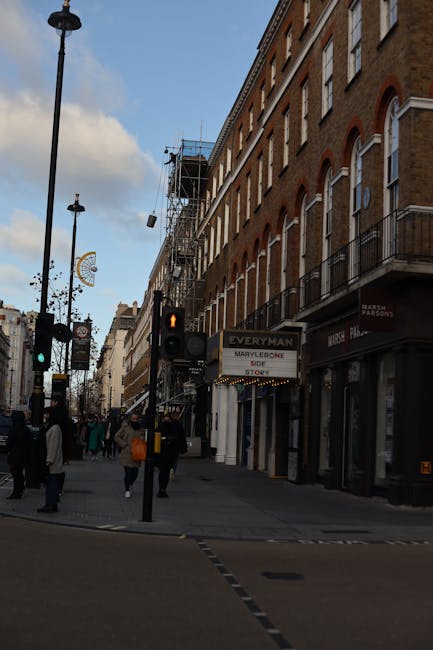
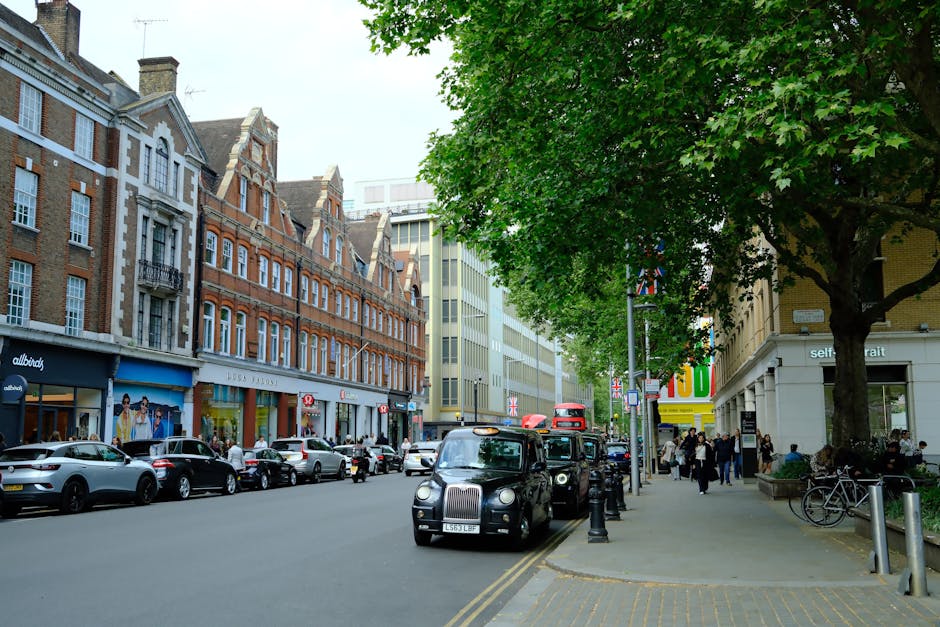
Marylebone is a central London district in the City of Westminster, lying to the west of Regent’s Park and north of Mayfair, with a distinctive mix of residential streets, medical institutions, cultural venues and retail activity. Its street pattern reflects long historical development, with many roads running on an orderly grid south of the main shopping area and quieter terraces extending towards the park. The area is associated with Georgian and later architecture, including substantial mansion blocks, stucco-fronted terraces and elegant townhouses that contribute to its character. Baker Street is one of its best-known routes, while Marylebone High Street has become a notable retail and dining stretch with a village-like feel in the middle of the capital. The district also contains major institutions such as the Wallace Collection in Hertford House and the Royal Academy of Music nearby, alongside medical facilities that have long shaped the area’s identity. Regent’s Park forms a major open space on the eastern side, offering broad paths, ornamental planting and water features, while Paddington Street Gardens provides a smaller local green space. Marylebone station links the area to the national rail network, and the Underground adds further connections through stations serving the neighbourhood and its edges. The combination of transport, heritage buildings, independent shops and significant institutions gives Marylebone a layered urban character that is both busy and comparatively refined.
Storage, moving trucks and removal vans

Storage can be a practical part of a removal when belongings need to be held temporarily between addresses or when the new property is not ready for every item at once. In those cases, the move may be split into phases: collection, storage and later delivery. We can also arrange the transport side of a move using the right vehicle size for the load, whether that means a removal van for a smaller job or a larger moving truck for bulkier contents. The vehicle choice should suit the items, access and distance rather than being based on guesswork.
Vehicle size matters because it affects the number of trips, the stability of the load and the way items are stacked. A smaller move may be straightforward with a compact van, while a larger home or office relocation may need more carrying space to keep the job efficient. Choosing the right transport is part of the service, not an afterthought. Where storage is needed, the items should be packed and labelled in a way that makes the later delivery easier, especially if the contents belong to more than one room or department.
If you would like a quote, send the basic move details and we will help you identify the most suitable combination of service, vehicle and timing. You do not need to prepare a full inventory before making contact, but the more accurate the brief, the easier it is to match the removal to the work required. Plain text enquiries are welcome, and the final step can be as simple as asking for the best available option for your move.
Piano removals, specialist handling and final quotations
Piano removals and other specialist handling jobs need particular care because the weight, shape and finish of the item create extra handling demands. Uprights, baby grands and similar instruments may need protective wrapping, careful moving equipment and a steady loading plan to reduce the risk of damage. We can also help with other heavy or awkward belongings that are not suitable for casual lifting. The objective is controlled movement, secure positioning and a delivery process that respects both the item and the property.
Specialist items are rarely difficult for only one reason. Weight, size, balance, access and fragility can all matter at once, and the safest method is to assess those factors together. That is why accurate descriptions are useful. If you can identify the item type, the floors involved and whether there are steps, turns or narrow landings, the work can be matched more appropriately. Careful planning is often the difference between a manageable specialist move and an unnecessarily difficult one. When needed, ask us about the best removal approach for the item concerned.
The simplest way to request a quotation is to share the type of move, the addresses, the main furniture or items, and any access details that might affect loading or unloading. If there are a few possible dates, include them too. We will then look at the most practical way to carry out the work and provide a suitable response. Start with the essentials and let the move be built around them. For a clear quotation, send your enquiry now.