Flat Removals in Marylebone
If you are planning a move in central London, Flat Removals in Marylebone calls for a team that understands the realities of local streets, apartment buildings, lift access, resident permits, and the pace of life in one of Westminster’s most desirable neighbourhoods. Whether you are moving from a compact studio near the station, a purpose-built apartment off Baker Street, a period conversion close to Regent’s Park, or a larger flat in a mansion block, the right removal service can make the whole day feel far more manageable.
Marylebone is a unique part of London. It combines elegant residential streets, busy commercial corridors, busy weekday traffic, and a mixture of older properties and modern developments. That means moving here is rarely a simple “park outside and load” job. It often involves careful planning, considerate handling, and a removals team that knows how to work efficiently around tight stairwells, loading restrictions, controlled parking, and shared entrances. For local customers, the difference between a smooth move and a stressful one often comes down to preparation and local knowledge.
This page is designed for people who need a practical, reliable solution for moving a flat in Marylebone. If you are comparing services, planning ahead, or ready to book, you will find useful information here about what is included, how flat removals work, how to prepare, what affects the cost, and why a local team can be especially helpful. Request a free quote when you are ready to take the next step.
Why Flat Removals in Marylebone need local experience

Marylebone is not a typical suburban move. The area sits in the heart of central London, close to major routes such as Marylebone Road, Baker Street, Crawford Street, Gloucester Place, Portland Place, and the wider Westminster network. That central location is convenient for residents, but it can also create practical challenges on moving day. Traffic can build quickly, parking bays may be limited, and access to flats may be through shared hallways, narrow staircases, or controlled entry systems.
Flat moves in Marylebone often involve buildings with specific rules about service lifts, move-in times, corridor protection, and booking slots. In some properties, the management company or concierge may ask for advance notice before large furniture is moved through the building. In others, there may be restrictions on noise or on where the van can wait. A removals team that regularly works in central London will be more comfortable with these requirements and can help you plan around them sensibly.
Local knowledge also matters when timing your move. Morning congestion, school runs, and busy shopping periods can all affect access. A well-organised team will know that moving a flat in Marylebone is about more than carrying boxes; it is about sequencing the job correctly, protecting belongings properly, and minimising disruption to neighbours and building staff.
What our flat removal service can include

Every move is different, but a good flat removals service should be flexible enough to suit apartments of many sizes and layouts. Some customers only need transport, loading, and unloading. Others want help with packing, dismantling furniture, protecting fragile items, and arranging awkward pieces safely through the building.
For Marylebone customers, that flexibility is especially useful because flats here vary so much. You might be moving from a small top-floor conversion with limited stair access, a modern apartment with lift entry, or a larger lateral flat with multiple rooms and higher-value furnishings. The service should be tailored to the property rather than forced into a one-size-fits-all approach.
Typical elements of flat removals in Marylebone may include loading, transport, unloading, furniture handling, protective wrapping, careful placement, and move-day coordination. If you need packing support or help with dismantling larger items such as beds, wardrobes, shelving, or dining tables, that can often be arranged as part of the service plan.
Common service options
- Moving boxes and personal belongings
- Furniture disassembly and reassembly
- Protective wrapping for sofas, mirrors, and artwork
- Careful handling of electronics and household appliances
- Loading from upper floors and multi-level buildings
- Placement of items in specific rooms at the new address
- Support for partial moves and single-item removals
How the process usually works

When arranging a flat move, clarity is key. Most customers want to know what happens first, what the crew will do on the day, and how long the job might take. A straightforward process helps reduce stress and ensures nothing important is missed.
It usually begins with an enquiry or a quote request. You provide the main details: your current flat, the destination property, whether there are stairs or lifts, and what items need to be moved. If you have bulky furniture, delicate pieces, or a particularly tight access point, it is worth mentioning this early so the team can plan accordingly.
On move day, the crew will normally arrive ready to assess access, protect items, and begin loading in an organised sequence. In a central London area like Marylebone, this approach is important because efficient loading reduces the time the van spends on the street and helps keep the move moving smoothly.
A typical move-day sequence
- Review access, parking, and building entry arrangements
- Protect furniture and delicate items where needed
- Carry items safely from the flat to the vehicle
- Load boxes and furniture securely for transport
- Travel to the new address using the most practical route
- Unload and place items in the correct rooms
- Reassemble furniture if agreed in advance
Book your service now if you already know your moving date and want to secure a team that can manage the logistics carefully.
Marylebone property types and what they mean for your move

One reason Marylebone flat removals require a thoughtful approach is the diversity of property types. The area includes period conversions, mansion flats, purpose-built blocks, modern developments, and smaller apartments tucked behind main roads. Each type brings different practical considerations, especially when moving larger furniture or fragile household items.
In a period conversion, staircases may be narrow, landings tight, and turning angles awkward. In a mansion block, there may be shared hallways and a need to be considerate of neighbours and building rules. In a modern development, lift booking and access control may matter more than stair width. A professional team will adapt to these differences rather than using the same method for every move.
Marylebone also sits close to busy residential and mixed-use areas such as Fitzrovia, Paddington, Mayfair, and St John’s Wood. That means many customers are not only moving between apartments but also combining home moves with work relocations, downsizing, or relocation from a rented flat to a newly purchased property. The service should support all of those needs in a practical and flexible way.
Examples of common local moving situations
- Moving from a rental flat to a larger apartment nearby
- Downsizing from a family property into a central London flat
- Relocating from a top-floor conversion with no lift
- Moving into a managed development with strict access rules
- Transporting furniture between two Marylebone addresses
- Moving a home office setup alongside household contents
Why a local removals company can be the better choice
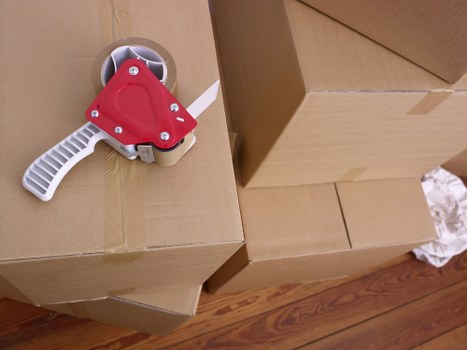
When you are moving in a part of London as busy and characterful as Marylebone, using a local company can make a real difference. A local team is more likely to understand the streets, building layouts, access points, and timing issues that affect the day. That familiarity can save time and help reduce avoidable complications.
Local service also matters if you need a flexible approach. Plans change. Completion times move. Keys arrive late. Building access windows can be narrow. A removals team that regularly works across Marylebone and nearby central London districts is usually better placed to respond calmly when the schedule shifts.
There is also a practical benefit in terms of communication. When a move is local, it is often easier to coordinate details like parking arrangements, arrival windows, and route planning. That can be especially helpful for residents moving from or to nearby areas such as Baker Street, Marble Arch, Regent’s Park, Lisson Grove, Edgware Road, and the wider Westminster district.
Why choose a local company?
- Better understanding of local access and parking challenges
- Experience with central London flat layouts
- More efficient planning for tight schedules
- Greater awareness of building rules and move restrictions
- Support for short-notice adjustments where possible
Access, parking, and building restrictions in Marylebone
One of the biggest reasons people look for Flat Removals in Marylebone is the need for help with access logistics. In central London, the practical details can be just as important as the physical lifting. Parking may be limited, loading spaces may be shared, and some roads may be more difficult to stop on than others during busy periods.
For many flats, the move also has to work around building management rules. This might involve using a service entrance, avoiding certain hours, or booking a lift in advance. If the property has concierge support, it may be necessary to give the building team the move date beforehand. In other cases, there may be no lift at all, meaning furniture has to be carried carefully up several flights of stairs.
A good removals plan takes all of that into account before the van arrives. The aim is not simply to move items, but to move them in a way that suits the property, the street, and the people involved.
Preparing for your flat move
The better prepared you are, the smoother your move is likely to be. You do not need to do everything yourself, but a few simple steps can make the day much easier for everyone. For Marylebone residents, preparation is especially useful if access times are limited or if the property has shared common areas that need to remain clear.
Start by deciding what is going with you, what is being donated or sold, and what can be discarded before move day. Fewer unnecessary items mean faster loading and less risk of confusion later. It is also helpful to label boxes clearly by room, particularly if you are moving into another apartment where space may be at a premium.
If you have delicate pieces such as lamps, framed artwork, glass tables, or monitors, pack them separately and mark the boxes so they can be handled with extra care. For larger items, measure doorways, hallways, and lifts where possible. This is especially helpful in older Marylebone buildings where internal spaces can be tight.
Preparation checklist
- Confirm your moving date and access arrangements
- Check parking or loading options at both addresses
- Label all boxes by room and content type
- Separate valuables, documents, and essentials
- Defrost and clean appliances before transport if needed
- Disassemble furniture where practical, or ask for help
- Keep a small bag with keys, chargers, medication, and important papers
Small steps like these can save time on the day and help the crew work more efficiently.
What affects the price of a flat removal?
Many customers want to know how moving costs are worked out. While exact prices depend on the job, there are several factors that usually influence the final quote. Understanding these factors helps you compare services more fairly and choose the right level of support for your move.
The main elements typically include the size of the flat, the amount of furniture and boxes, access conditions, travel distance, and whether extra services are required. In Marylebone, access issues may be especially important because a move involving multiple flights of stairs, restricted parking, or lengthy carry distances may take more time and planning.
Other factors may include whether the move is domestic or commercial, whether you need packing assistance, whether fragile items need extra protection, and whether the job takes place on a busy day when timing is tighter. The clearer you are during the enquiry stage, the more accurate and realistic the quote is likely to be.
Common pricing factors
- Volume of items to be moved
- Number of rooms involved
- Stairs, lifts, and access complexity
- Parking and loading constraints
- Distance between addresses
- Need for packing or dismantling support
- Special handling for delicate or bulky items
If you are comparing options, ask for a clear explanation of what is included so you can make a sensible decision. Request a free quote and share as much detail as possible about the property and contents.
Residential and commercial flat moves in Marylebone
Although most people think of flat removals as residential moves, there are also commercial reasons for relocating within Marylebone. Some customers move from a flat above a business premises. Others relocate a live-work apartment, a company-provided flat, or a home office that needs to be moved alongside household items. In a central area with a mix of uses, flexibility matters.
Commercial customers often need a service that respects timing, building access, and minimal disruption. Residential customers usually want careful handling, convenience, and support with the practical parts of the day. A good flat removal team can accommodate both types of needs without treating the move as routine or impersonal.
Whether you are moving a personal apartment or a professional living space, the goal is the same: secure packing, careful transport, and a move that fits the realities of central London life.
How we handle fragile, valuable, and awkward items
Flat removals often involve more than just boxes. Marylebone homes commonly include mirrors, artwork, lamps, wine glasses, laptops, records, televisions, and awkward furniture that must be handled with care. The right method depends on the item, the route out of the property, and the amount of protection required.
Fragile items should be wrapped and packed so they remain stable in transit. Bulky furniture may need dismantling to get through narrow hallways or stairwells. Items such as pianos, large sideboards, or heavy wardrobes require advance discussion so the team can plan the lifting method and ensure the move is manageable.
If you have heirlooms or particularly sentimental items, it is worth highlighting them during the booking stage. That way, the crew can allow extra care during loading and unloading. It is also sensible to keep passports, jewellery, cash, and essential documents with you personally rather than packing them into the removals load.
Examples of items that may need extra attention
- Glass and mirrored furniture
- Artwork and framed prints
- Televisions and computer equipment
- Antiques and family heirlooms
- Large wardrobes and shelving
- Musical instruments
What to expect on moving day
Moving day can feel busy, but the process becomes much easier when everyone knows the plan. If you are using a removals team for your Marylebone flat move, you can expect an organised approach that begins with access and safety. The crew may confirm the best entry route, check any building requirements, and begin protecting items before loading starts.
It helps if you have already separated essentials, cleared walkways, and made sure there is space for the team to work. If you are leaving a flat with shared spaces, it is considerate to keep corridors and stairs as clear as possible. In a building with neighbours close by, a calm and efficient approach is always appreciated.
At the new address, items are usually unloaded and placed in the relevant rooms if requested. This can save a great deal of time later, especially if you are moving into a flat where space is limited and you want to unpack in stages rather than all at once.
Areas covered around Marylebone
Marylebone sits in a central location that connects easily with many nearby neighbourhoods. If you are moving within the area or between central London districts, a local flat removals service can often support short-distance as well as cross-city moves. This is especially useful if your new home is not far away but the journey still requires careful planning because of traffic or property access.
Areas commonly associated with Marylebone moves include Baker Street, Regent’s Park, Marble Arch, Fitzrovia, Paddington, Mayfair, Lisson Grove, Edgware Road, and St John’s Wood. Moves in these nearby districts can involve similar challenges, such as busy roads, controlled parking, and a mix of modern and older apartment buildings.
If you are moving from Marylebone to another central London location, or arriving here from elsewhere in the city, it is worth choosing a team that is used to the patterns of local traffic and property access. That can make the day feel a lot less complicated.
Frequently asked questions
How far in advance should I book a flat removal in Marylebone?
It is best to book as early as possible, especially if your move is during a busy period, involves a large flat, or depends on lift booking and parking arrangements. Short-notice moves may still be possible, but earlier planning gives you more flexibility.
Can you help if my flat has no lift?
Yes, many apartment moves involve stairs. What matters is knowing the access details in advance so the crew can prepare appropriately and allow the right amount of time.
Do I need to pack everything myself?
No. Some customers prefer to handle all packing, while others want full or partial packing support. It depends on your schedule, the amount of belongings, and how much help you want.
What if my building has strict moving rules?
That is common in Marylebone and other central London areas. Share the building requirements early so the move can be planned around them.
Can you move furniture between two nearby Marylebone flats?
Yes, short-distance flat-to-flat moves are a frequent request, especially for customers changing apartments within the same neighbourhood or nearby central London streets.
Do you handle small moves as well as full flat moves?
Absolutely. Single-room moves, partial flat removals, and furniture-only transport are all common customer needs.
Booking your Marylebone flat removal
When you are ready to move, the best next step is to contact a local team, share the main details of the job, and request a quote based on your specific requirements. The more information you provide about access, property type, furniture, and timing, the easier it is to plan the move properly.
Flat removals work best when they are organised around the realities of your building and your schedule. That is especially true in Marylebone, where central London access, apartment layouts, and local parking considerations can all shape the day. A careful, well-planned move is usually a faster and calmer one.
If you need a service that understands the area and can help you move with less disruption, contact us today to discuss your flat removal in Marylebone. Whether you are moving a small apartment, a larger flat, or a furnished property with awkward access, the right support can make a noticeable difference. Book your service now and take the next step with confidence.
Request a free quote when you are ready to get started.