Compare quotes: Marylebone removals cost guide
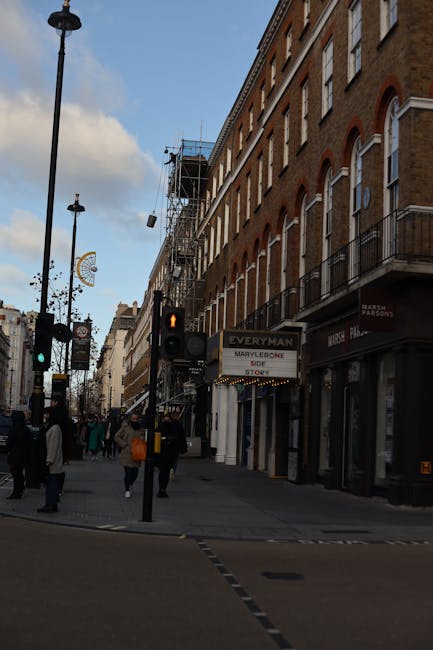
If you are planning a move in Marylebone, the hardest part is often not the lifting. It is working out what a fair removals quote actually looks like. Prices can vary a lot, and not always for obvious reasons. That is why this Compare quotes: Marylebone removals cost guide is so useful: it helps you understand what you are paying for, what affects the price, and how to compare offers without getting caught by vague wording or hidden extras.
Marylebone moves can be a bit fiddly, to be fair. Narrow streets, busy parking, shared entrances, basement flats, top-floor walk-ups, and tight time windows all change the job. So if you have ever looked at three quotes and wondered why one is much higher than the others, you are in the right place. Below, you will find a practical way to compare removals quotes, choose the right service, and keep the budget under control without cutting corners.
For context, the right quote is not always the cheapest one. It is the one that matches the real job.
Why Compare quotes: Marylebone removals cost guide Matters
Removals pricing in Marylebone is shaped by more than just distance and volume. In a central London area, the small things add up quickly: loading access, waiting time, stair carries, lift access, packing support, fuel, and whether the crew needs a larger vehicle or a second visit. A quote that looks tidy at first glance can become expensive once extras appear.
That is the main reason comparison matters. If you compare quotes properly, you are not just chasing the lowest number. You are checking whether each company is pricing the same work in the same way. One firm might include packing materials and dismantling. Another may treat those as add-ons. One may quote for a man and van service, while another assumes a full team and a larger vehicle. Those are not like-for-like comparisons.
In a neighbourhood like Marylebone, where access can be awkward and timing can be tight, a cheap quote without detail can be a false economy. The job may take longer than expected, or the crew may arrive under-equipped. Then you are stuck juggling costs on moving day, which nobody enjoys. Not at all.
How Compare quotes: Marylebone removals cost guide Works
The quoting process usually starts with an assessment of what needs moving. That may be a quick phone call, an online form, photos, or a virtual survey. For smaller jobs, a simple description can be enough. For larger homes, flats with difficult access, or office moves, a more detailed survey is better because it reduces surprises.
Good quotes normally consider the following:
- the size of the property or office
- how much furniture and boxed items need moving
- how easy it is to park and load
- stairs, lifts, narrow hallways, or long carries
- whether packing is included
- the size of van or truck required
- the number of movers needed
- any special items such as pianos or bulky furniture
- storage, if you are not moving everything in one go
Once you have a few quotes, compare the detail line by line. If a quote feels too short, ask for clarification. A reliable provider should be able to explain how the price was built, not just repeat the final number. You should be able to tell whether the move is being priced by time, by inventory, or by a fixed package.
It also helps to know what kind of service you want. A smaller move may suit man with van or man with a van support, while a larger household move might need house removals or a full home moves package. The better you understand the service type, the easier the comparison becomes.
Key Benefits and Practical Advantages
Comparing quotes is about more than saving money, although that is usually part of it. Done well, it gives you control. And let's face it, moving already feels like a lot. Anything that makes the process clearer is worth having.
- Better price visibility: you can see what is included and what is extra.
- Fewer last-minute shocks: a detailed quote reduces awkward moving-day conversations.
- More suitable service selection: you can match the service to the size and complexity of your move.
- Improved planning: knowing the likely cost helps with budgeting for boxes, packing, storage, and transport.
- More confidence in the provider: a clear quote often reflects a more organised operation.
There is also a practical benefit that people sometimes miss. Comparing quotes makes it easier to spot which tasks are worth outsourcing. For example, if packing is taking over your evenings, you may decide that packing and unpacking services will save stress as well as time. If you are moving a few items of furniture separately, furniture removals or furniture pick up might be enough. That flexibility matters.
Expert summary: the best quote is rarely the shortest one. It is the quote that explains the job properly, accounts for Marylebone access conditions, and matches the level of service you actually need.
Who This Is For and When It Makes Sense
This guide is for anyone moving in or out of Marylebone, but it is especially helpful if you are comparing a few different types of removals help and trying to work out which one fits best.
- Flat and apartment movers: especially if you are dealing with stairs, lifts, or managed buildings. A service like flat removals can be a better fit than a generic van hire approach.
- Homeowners and tenants: if you need a fuller service for a whole property, house removals or house removalists may be more suitable.
- Students: if you are moving between rentals, halls, or storage, student removals can be a more efficient option.
- Businesses: if you are moving desks, stock, or office equipment, office removals or office relocation services may be more appropriate.
- Time-sensitive movers: if you need a fast turnaround, same-day or short-notice options may matter more than the cheapest quote. See same-day removals when timing is critical.
It also makes sense if you are moving items that need extra care. A piano, for instance, is not a "just load it in the back" job. Piano removals should be priced and planned separately, because the handling, weight, and risk are different. Same with specialist storage needs; if you are stuck between move-out and move-in dates, storage may be part of the cost picture.
Step-by-Step Guidance
- List everything you need moved. Write down furniture, boxes, fragile items, and anything bulky. A quick room-by-room list works well and stops you forgetting the awkward cupboard items until the last minute.
- Be honest about access. Mention stairs, parking restrictions, basement flats, long hallways, or limited lift access. In central London, this detail changes the quote more than people expect.
- Choose the right service type. Decide whether you need a basic removals service, a van-only approach, packing support, or a fully managed move.
- Ask for the same information from each company. If one quote is based on a full inventory and another is based on "roughly two rooms", the numbers will not be comparable.
- Check what is included. Look for labour, vehicle size, fuel, packing materials, dismantling, reassembly, waiting time, and any access charges.
- Compare more than price. Read the wording carefully. A slightly higher quote can be better value if it includes insurance, planning, and a more suitable team.
- Confirm timing and terms. Check the moving date, arrival window, payment method, and cancellation conditions before you commit.
- Book early if possible. Good removal slots in London can disappear quickly, especially at month-end. That always seems to happen at the worst possible time.
If you are unsure what level of help to choose, browse the available removal services and match the service to the scale of the move. A clear service match is usually the simplest route to a fair quote.
Expert Tips for Better Results
Here are the details that tend to make the biggest difference in real life. They are small, but they matter. Quite a lot, actually.
- Use photos where possible. A few well-lit pictures of each room and any difficult access points can help the quote be more accurate.
- Ask whether the quote is fixed or estimated. A fixed price offers more certainty; an estimate may move if the scope changes.
- Separate essentials from non-essentials. If you have a lot of low-priority items, consider whether some should go later, into storage, or be sold.
- Get packing boxes sorted early. A move often goes smoother when boxes are ready before the final week. See packing and boxes for support if you need it.
- Think about furniture you no longer want. Don't pay to move items you plan to replace next month. If disposal or collection is the better option, check furniture pick up.
- Check payment and safety details. A proper removals provider should be transparent about how payments are handled. It is worth reading payment and security information before transferring anything.
One useful habit: make a simple "must move / nice to move / leave behind" list. It sounds almost too basic, but it stops the quote ballooning. And yes, the wardrobe you "might use someday" rarely earns its keep.
Common Mistakes to Avoid
The biggest mistake is comparing quotes that do not describe the same job. It sounds obvious, but it happens all the time. A cheap price can look brilliant right up until you realise it excludes the staircase carry, the packing, or the second trip.
- Ignoring access details: if the van cannot park close by, labour time increases.
- Assuming all insurance is identical: always check what is covered and what is not.
- Forgetting special items: pianos, antiques, oversized mirrors, and heavy furniture need specific handling.
- Not checking the date and time: some quotes are cheaper because they are off-peak or less flexible.
- Choosing on price alone: cheap can be fine, but only if the service still fits the job.
- Leaving packing too late: rushed packing creates delays and increases breakage risk.
Another common trap is assuming a removal company will "just sort it out on the day". Maybe they will, if the job is straightforward. But in Marylebone, where logistics can be messy, the smoother route is to tell the truth early. Even the small awkward bits. The box of books. The bike. The lamp that never fits any room properly.
Tools, Resources and Recommendations
You do not need fancy software to compare removals quotes, but a few simple tools help a lot. A notebook, spreadsheet, or notes app is often enough. Keep each quote in one place, with headings for price, date, inclusions, exclusions, vehicle size, and any special conditions.
For a moving-day plan, it helps to have these bits ready:
- a full inventory by room
- photos of access points, stairs, and parking
- measurements for any large furniture
- a list of fragile or awkward items
- the target moving date and time window
- any need for temporary holding or storage
If you want a sensible starting point, review pricing and quotes information first, then match the quote to the service style you need. That makes the comparison much cleaner, and it saves time on back-and-forth emails.
For bigger moves, especially in offices or multi-room homes, it can also help to read about house removals, office removals, or commercial moves so you understand which service category fits best. The right label matters more than people think.
Law, Compliance, Standards and Best Practice
When you compare removals quotes, it is sensible to look at more than price and availability. In the UK, moving possessions safely and honestly is part of good business practice. You do not need to turn into a legal expert, but you should expect clear terms, proper handling, and transparent communication.
At minimum, a reputable removals provider should be able to explain its approach to:
- insurance and liability
- safe handling of furniture and fragile items
- worker health and safety
- payment terms and booking conditions
- complaints handling if something goes wrong
- privacy and data handling for your booking details
For your own peace of mind, read the provider's insurance and safety information and, if needed, their terms and conditions. If you care about ethical supply chains and sustainability, it is also reasonable to review recycling and sustainability and modern slavery statement pages where available. That kind of transparency is a good sign, plain and simple.
One more practical point: if you have any complaint or service issue, a clear complaints procedure tells you the company takes accountability seriously. That does not guarantee perfection, of course. Nothing does. But it does show structure.
Options, Methods and Comparison Table
The cheapest quote is not always the best method. The right choice depends on the volume, access, urgency, and how much help you want. Here is a straightforward comparison to help you think it through.
| Option | Best for | Strengths | Possible drawbacks |
|---|---|---|---|
| Man and van | Small moves, single-room moves, a few items | Flexible, often cost-effective, good for light loads | May not suit larger properties or complex access |
| Van with helper team | Medium moves, flats, short-notice jobs | More loading support, often quicker than doing it yourself | Can cost more than a minimal setup |
| Full removals service | Whole homes, multiple rooms, family moves | More organised, better for heavy furniture and packing needs | Usually a higher price point |
| Office removals | Business relocations | Better planning, reduced downtime, structured approach | Requires more coordination |
| Storage-inclusive move | Gaps between move-out and move-in dates | Useful for temporary flexibility | Adds another cost layer |
If you are deciding between a smaller van-based service and a bigger, fully managed move, think about time rather than price alone. A cheap quote can be slow if it needs three trips. A more complete quote can be better value if it finishes the job properly in one run. That is the bit people feel on the day.
Case Study or Real-World Example
Here is a realistic example. A couple moving from a second-floor flat in Marylebone to a nearby property had three quotes. The first was very low, but it assumed street-level loading and no packing help. The second was mid-range and included the right size van, two movers, and a short loading window. The third was higher because it included packing materials, dismantling, and an allowance for stair carries.
At first glance, the cheapest looked like a win. But once they checked access, it became clear the building entry was tight and parking was limited. The low quote would likely have meant delays and added charges. The couple chose the middle option because it matched the actual job. They also added packing and unpacking services for the fragile kitchen items, which saved a lot of faff the night before moving day.
Nothing dramatic happened. Which is usually the goal, honestly. The move was calmer, the timing was predictable, and the final bill made sense because the quote had been built properly from the start. That is what a good comparison should do: remove surprises, not create them.
Practical Checklist
Use this checklist before you accept any removals quote:
- Have I listed everything that needs moving?
- Have I explained access clearly, including stairs, lifts, and parking?
- Do I know whether the quote is fixed or estimated?
- Have I checked what is included in the price?
- Do I know whether packing, dismantling, and reassembly are extra?
- Have I asked about insurance and safety?
- Have I compared at least two or three similar quotes?
- Do I understand the cancellation and payment terms?
- Have I considered storage if dates do not line up?
- Does the service type match the size of the move?
If you can tick most of those off, you are in a much stronger position. And if one answer feels fuzzy, ask again. A good provider will not mind clarifying the details. In fact, they should welcome it.
Get a free quote today and see how much you can save.
Conclusion
Comparing removals quotes in Marylebone is really about making the move fit the reality of the building, the schedule, and the belongings themselves. Once you look beyond the headline price, the differences become much clearer. That is where the real value is.
Take the time to compare like with like, ask direct questions, and choose a service that suits the job rather than the cheapest number on the page. Whether you need a small van job, a full household move, office relocation support, or specialist help with packing or storage, a careful comparison will usually pay off. Not always in money alone. Sometimes in peace of mind, which, on moving day, is worth a great deal.
And truth be told, a well-planned move has a lovely little quality to it: less chaos, fewer crossed wires, and a lot more room to breathe.
Frequently Asked Questions
How do I compare Marylebone removals quotes properly?
Compare the same details in each quote: property size, access, labour, vehicle type, packing, dismantling, insurance, and timing. If those do not match, the prices are not truly comparable.
Why are removals quotes in Marylebone sometimes higher than expected?
Central London access can add time and complexity. Parking, stairs, lifts, loading restrictions, and the need for extra labour can all raise the cost. It is usually the logistics, not just the distance.
Is the cheapest removals quote always the best choice?
No. A low quote may leave out key tasks or assume easy access that does not exist. A better quote is the one that matches your move and explains the price clearly.
What should be included in a removals quote?
A good quote should cover labour, vehicle size, access assumptions, and any extra services such as packing or dismantling. It should also make clear what is not included.
Should I get a fixed price or an estimate?
For straightforward moves, a fixed price can give more certainty. For larger or more complex moves, an estimate may be used first and then refined after a survey or more detail.
How far in advance should I compare quotes?
As early as possible. If you are moving at month-end or during a busy period, leave extra time. Early comparison gives you more choice and usually a calmer booking process.
What if my flat has difficult access?
Tell the removals company early. Mention stairs, lift restrictions, narrow entrances, and parking issues. A good provider can then price the job properly and avoid nasty surprises later.
Do I need packing services as well as removals?
Not always, but they can help if you are short on time, have fragile items, or simply want less stress. Packing support is often worth considering for busy households and office moves.
Can I compare quotes for furniture only?
Yes. If you only need a sofa, bed, or a few items moved, furniture-specific services may be a better fit. It can keep the quote simpler and more cost-effective.
What is the difference between man and van and full removals?
Man and van is usually better for smaller loads or quick local moves. Full removals is more suitable for larger homes, more furniture, and jobs that need more planning or labour.
What should I ask before confirming a removals quote?
Ask what is included, what could cost extra, how payment works, whether the quote is fixed, and how the company handles insurance and complaints. Those questions save headaches later.
Can storage be included in a removals quote?
Sometimes, yes. If you are between properties or need to split the move into stages, storage can be a practical part of the overall plan. It is worth checking early so the pricing stays clear.
Where can I learn more about pricing and safety before booking?
It is sensible to review the provider's pricing guidance and safety information, along with any terms and conditions, before you commit. That gives you a better sense of how the company works and what standards it follows.