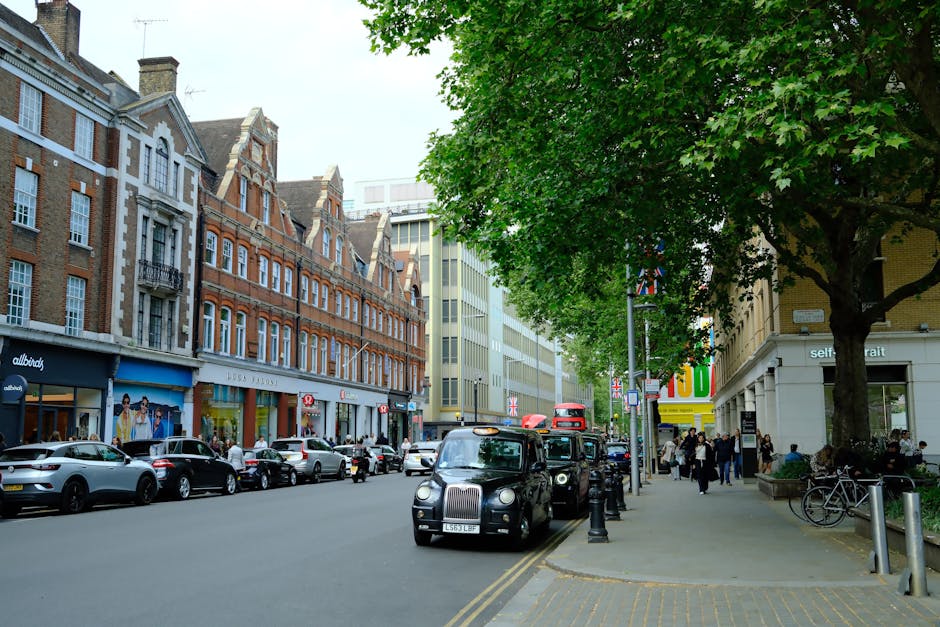
Marylebone High Street moves: narrow-street strategies that actually work
Moving in Marylebone is never quite like moving elsewhere in London. Around Marylebone High Street, the streets can feel tight, delivery windows can be unforgiving, and a simple van stop can turn into a small logistical puzzle. That is exactly why Marylebone High Street moves: narrow-street strategies matter so much. The right plan saves time, reduces stress, and helps protect your belongings, your neighbours' patience, and your own sanity. Truth be told, the biggest mistake people make is assuming a central London move is just a smaller version of a suburban one. It is not.
This guide breaks down what narrow-street moving really involves, how the process works, who needs it, and the practical steps that make a real difference on moving day. You will also find a checklist, a comparison table, compliance notes, and a realistic example of how a well-run move can go smoothly even when access is awkward. If you are still weighing up service options, you may also want to look at the broader services overview and the dedicated removals in Marylebone pages to see how different kinds of moves are supported locally.
Table of Contents
- Why Marylebone High Street moves: narrow-street strategies matter
- How Marylebone High Street moves: narrow-street strategies work
- Key benefits and practical advantages
- Who this is for and when it makes sense
- Step-by-step guidance
- Expert tips for better results
- Common mistakes to avoid
- Tools, resources and recommendations
- Law, compliance, standards, or best practice
- Options, methods, or comparison table
- Case study or real-world example
- Practical checklist
- Conclusion
- Frequently Asked Questions
Why Marylebone High Street moves: narrow-street strategies matter
Marylebone High Street sits in one of London's most polished, busy, and access-sensitive neighbourhoods. That sounds glamorous, and it is, but it also means the road network is not always forgiving to moving vehicles. Many nearby streets are narrow, lined with parked cars, busy with pedestrians, or tricky for larger vans to enter and exit without careful positioning. On a normal day, that can slow a move. On a busy day, it can snowball.
Narrow-street strategy is basically the art of making a move work in a constrained environment. Instead of forcing a standard moving pattern onto a difficult street, you adapt the plan to the street itself. That may mean using a smaller vehicle, splitting the load, loading from a safer side road, arranging timed access, or moving fragile items in a different sequence. It is practical, not flashy. And it works.
For Marylebone residents, this matters because the area includes a mix of period flats, townhouse conversions, offices, and high-value homes where furniture access can be awkward even before you reach the front door. Lifts may be small, staircases may be narrow, and ground-floor loading space may be limited. If you are moving from a flat near the High Street, the challenge often starts before the first box is lifted.
That is also why local knowledge counts. A crew that understands Marylebone will usually plan differently from a team used to wide estate roads. They will think about timing, loading distance, parking pressure, and how to keep the route tidy and safe. If you want to understand the local setting a bit better before moving, the article on the realities of life in Marylebone gives useful context, and it pairs well with this topic.
How Marylebone High Street moves: narrow-street strategies work
The process starts long before moving day. Good narrow-street planning is a chain of small decisions, each one reducing friction. First, you assess access. That means checking road width, parking options, entry points, lift size, stair turns, and any restrictions on stopping or unloading. Then you decide what kind of vehicle actually suits the route. A smaller van may be better than a larger one, even if it means one extra trip. In tight streets, fit matters more than bravado.
Next comes the loading plan. Items should be grouped by priority and fragility, not just by room. For example, if the van needs to park a short walk from the property, the most fragile or valuable items should not be left until the end of a long carry. Common-sense, yes, but easy to overlook when a move gets hectic. The team will usually load in the reverse order of unloading, with frequently needed items near the rear or the most accessible point.
Then there is the timing. In a place like Marylebone, timing can be the difference between a calm move and a tense one. Early mornings, school-run periods, shopping peaks, and event-heavy weekends can all affect access. A good strategy often includes a narrow delivery window and a fallback plan if the first parking option is unavailable. Have a second route in mind. Always.
Finally, communication holds everything together. Residents, building managers, porters, and the removal team should all know the basic plan. If you are moving from a managed block, check whether you need to book the lift or reserve a loading bay in advance. If you are arranging a business relocation, the local office removals support in Marylebone can be especially useful because office moves often involve building rules as much as traffic conditions.
Key benefits and practical advantages
People often think narrow-street strategy is just about avoiding delays, but it does a lot more than that.
- Less risk of damage: Shorter carries, better vehicle placement, and clearer sequencing reduce bumps, scrapes, and rushed handling.
- Better time control: A route-specific plan tends to run more predictably, even if the street is busy.
- Lower stress: Once the access problem is solved in advance, moving day feels less chaotic.
- Improved neighbour relations: Nobody enjoys blocked pavements or a van sitting awkwardly across a tight lane. A cleaner plan is simply more considerate.
- Safer working conditions: Tight streets can be hazardous when people are carrying heavy furniture. Better planning reduces lifting strain and trip hazards.
- Smarter use of resources: Sometimes a smaller van or additional porter is cheaper overall than trying to force a large vehicle into the wrong space.
There is also a quieter benefit that people do not always mention: confidence. When you know the move has been thought through, you stop second-guessing every box and every doorway. That makes a real difference. You can actually breathe a bit.
If you need boxes, tape, and packing support before the move, a page like packing and boxes in Marylebone is a handy place to start. And if you have specialist items, such as a heavy cabinet or upright piano, it is worth reading about piano removals in Marylebone early on, not after the item is already by the front door. That would be a bit late, honestly.
Who this is for and when it makes sense
This kind of planning is valuable for almost anyone moving near Marylebone High Street, but some movers need it more than others.
Best suited for:
- People moving into or out of period flats with tight stairwells
- Households on streets with limited parking or loading space
- Students moving from compact rooms or shared accommodation
- Office teams relocating from upper-floor premises
- Residents with bulky furniture, fragile items, or artwork
- Anyone needing a quick turnaround on a constrained access route
It also makes sense if your schedule is already tight. Maybe you have a lease ending, keys arriving late, or handover timings that do not leave much room for error. In those cases, the moving strategy becomes part of the risk management. Not dramatic, just sensible.
Some people only realise access is a problem on moving day. That is usually when they are standing outside the building, holding a kettle, while the van is double-parked two streets away. Not ideal. If you suspect the property has awkward access, it is better to address it early through direct contact with the local team and ask detailed questions about vehicle size, parking, and loading arrangements.
Step-by-step guidance
Here is a straightforward way to organise a move in Marylebone's narrower streets.
- Assess the access properly. Measure doorways, stair turns, lift dimensions, and any road-side loading restrictions. A quick visual check is better than guessing, but actual measurements are better still.
- Map the vehicle approach. Decide where the van can stop safely, how far the carry will be, and whether there is a better side street or service entrance nearby.
- Choose the right vehicle. A compact van or a man-and-van setup may be more practical than a larger removal truck for some addresses. If you are comparing options, the pages for man with a van in Marylebone and removal van services can help clarify the fit.
- Sort items by handling needs. Put fragile, high-value, and essential items into a priority group. Keep them easy to access.
- Pack for short carries and tight turns. Smaller, well-labelled boxes are easier to move safely through narrow stairs and hallways.
- Confirm building rules. Check lift booking times, porter access, entry codes, and any restrictions on weekend or evening moving.
- Prepare for parking disruption. Have a contingency if the first stopping point is taken. In central London, that happens more often than people expect.
- Coordinate timing with neighbours or building management. A little notice goes a long way.
- Use the unloading sequence wisely. Place essentials and furniture for quick setup where they will not get in the way.
- Build in a buffer. Even a well-run move can meet a small delay. A ten-minute buffer can save a lot of irritation.
A small but useful habit: keep a separate "open first" bag with keys, charger, documents, kettle bits, and a few basic tools. It sounds obvious until you are hunting for a phone charger in a corridor full of boxes. Then it suddenly feels like wisdom.
Expert tips for better results
After enough narrow-street moves, a few patterns become clear.
Use more hands for awkward items, not just more muscle. A tall wardrobe in a narrow hallway is less about brute strength and more about coordination. One person spotting the turn can save an expensive wall mark.
Pre-plan the walk from van to door. If the route crosses a pavement, doorway, or shared entrance, make sure it stays clear. Even a couple of extra boxes can turn a tight path into a nuisance.
Do not overload the first load. A slightly smaller first run can keep handling calmer and prevent the van from becoming impossible to unpack in the right order.
Label by room and priority. Room labels help, but priority labels help more. For example: kitchen essentials, bedding, work items, then decor. The order matters on day one.
Ask about insurance and handling standards. Reputable movers should be clear about how they manage fragile goods, public liability considerations, and property protection. If you want to review trust signals in advance, pages like insurance and safety and the company's health and safety policy are worth a look.
Keep one person "free." In a move, it helps if one person is not buried under boxes and can answer the door, guide the van, or handle a surprise like a blocked entrance. Small thing, huge benefit.
And one more: if your move involves items you do not immediately need, short-term storage in Marylebone can be the difference between a cramped move and a clean staged one. Not glamorous, but very effective.
Common mistakes to avoid
Most moving problems in narrow streets come from a few predictable mistakes. The good news is that all of them can be avoided with a bit of planning.
- Assuming a large van will be faster. Sometimes it is. Often it is not.
- Ignoring parking constraints. If the vehicle cannot stop properly, the rest of the plan gets messy fast.
- Packing too late. Last-minute boxing usually leads to poor labelling and heavier, awkward loads.
- Not measuring furniture. A sofa that is fine in a wide hallway can become a complete nuisance on a tight stairwell.
- Leaving fragile items loose. Tight carrying spaces magnify every bit of movement inside the box.
- Forgetting building access procedures. A locked entrance or missing code can hold up the whole chain.
- Underestimating the weather. Rain makes narrow street loading more awkward, more slippery, and more tiring. London weather being London weather, really.
There is also a subtle mistake people make: they treat moving day like a test of toughness. It is not. It is a coordination job. Once you start thinking that way, the whole thing gets easier.
Tools, resources and recommendations
You do not need fancy kit to manage a narrow-street move, but a few simple tools and resources make everything smoother.
Practical tools
- Measuring tape for doors, corridors, and furniture dimensions
- Marker pens and labels for room-by-room sorting
- Blankets, covers, and straps for furniture protection
- Sturdy boxes in mixed sizes rather than only large ones
- Trolley or sack barrow where access and flooring allow
- Phone photos of room layouts and access points
Useful planning resources
- Local service pages that explain vehicle and access options
- Building management or concierge instructions for loading
- Parking or permit guidance where relevant
- Moving quotes that state what is included, not just the headline price
If you are comparing movers, it can help to review a company's wider support pages as well as the service itself. For example, pricing and quotes gives you a sense of how estimates are handled, while about us helps you judge whether the company feels established and local enough for a central London move. That trust layer matters more than people think.
For students or smaller moves, a page like student removals in Marylebone may be enough. For bulkier, family-scale moves, house removals in Marylebone is the more relevant route. Simple enough, but easy to miss if you are in a rush.
Law, compliance, standards, or best practice
For most people, the legal side of moving is less about complicated rules and more about doing things properly and safely. In central London, that usually means respecting parking restrictions, pedestrian access, neighbours' rights to reasonable quiet, and any building-specific procedures. If a vehicle is loading in a controlled or restricted zone, permissions and timings should be checked in advance. Do not assume that because a van can physically stop, it is allowed to stop there.
Good moving practice also includes safe manual handling. Heavy lifting through narrow corridors is not something to improvise. Loads should be balanced, carried with enough people, and moved in a way that reduces strain and trip risk. That is especially important for awkward furniture, mirrors, and large appliances. If a mover appears casual about safety, that is a red flag. A small one maybe, but a real one.
Insurance matters too. You should understand what is covered if an item is damaged in transit or during handling, and whether the service provider has suitable cover for public areas and loading activity. The details can vary, so ask directly rather than assuming. It is one of those questions that feels slightly boring right up until you need the answer.
Best practice also includes clear communication on scope, timings, and responsibility. Who is packing? Who is dismantling furniture? Who is responsible for stairs, lifts, or waiting time? These are not small details. They shape the whole move. If the move includes sensitive or costly items, consider whether specialist handling is sensible, especially for a furniture removals service in Marylebone or more tailored support.
Options, methods, or comparison table
Different moving methods suit different access conditions. In a narrow-street area, the best option is usually the one that matches the property, not the one that sounds biggest or cheapest on paper.
| Method | Best for | Strengths | Trade-offs |
|---|---|---|---|
| Small van / man and van | Compact flats, lighter loads, short carries | Flexible, easier to park, often ideal for tight streets | May need more than one trip for larger moves |
| Medium removal van | One-bedroom to mid-size homes, mixed furniture | Better capacity while still manageable in many side streets | Parking and turning need more care |
| Full removal vehicle | Larger households or big office moves | Efficient for substantial volumes | Can be awkward or impractical on narrower roads |
| Split move with storage | Moves with timing gaps or space constraints | Reduces pressure on moving day | Requires extra coordination and planning |
There is no single winner here. A smaller van can outperform a bigger one if the street access is tight and the carry distance is short. That is the bit people often forget. Bigger is not always better. In Marylebone, adaptable is usually better.
Case study or real-world example
Consider a typical scenario: a couple moving out of a third-floor flat just off Marylebone High Street into a nearby property a few streets away. The flat has a narrow staircase, a compact entrance, and no practical space for a large vehicle to remain parked for long. On paper, the move sounds simple because the distance is tiny. In reality, access is the problem.
The successful plan was built around three decisions. First, the movers used a smaller vehicle rather than forcing a larger one into a tight street. Second, the load was split so the heaviest and most awkward furniture went first, while essentials and fragile items were kept separate. Third, the team scheduled the move early in the day to avoid heavier traffic and reduce the chance of blocked access. Nothing dramatic. Just thoughtful sequencing.
The result was calm, relatively quick, and surprisingly unhurried. A neighbour was able to pass without frustration, the front door stayed clear, and the couple could unpack their kitchen basics the same evening. That last part mattered more than they expected. Once the kettle is out, the place starts to feel like home.
If you are dealing with time pressure, a similar move may also benefit from same-day removals in Marylebone. That said, same-day work still needs structure. Speed without a plan is just noise.
Practical checklist
Use this checklist before moving day. It is simple, but it catches the details that usually cause trouble.
- Measure doors, stair turns, and lift dimensions
- Confirm where the van can legally and safely stop
- Check building access codes, lift bookings, and porter rules
- Choose the right vehicle size for the street
- Pack fragile items separately and label them clearly
- Keep essentials in one clearly marked bag or box
- Protect floors, corners, and furniture surfaces
- Plan the unloading order before the van arrives
- Tell neighbours or building management about the move if needed
- Review insurance, terms, and what is included in the quote
- Keep phone numbers handy for the mover and building contact
- Have a backup plan for unexpected parking or access issues
Expert summary: The best narrow-street move is rarely the most aggressive one. It is the one that matches the route, respects access limits, and keeps the load under control from the first box to the last lamp.
Conclusion
Marylebone High Street moves ask for a slightly different mindset. You are not just moving items; you are working with tight streets, limited stopping space, period buildings, and the everyday rhythms of central London. Once you accept that, the strategy becomes clearer. Smaller vehicles, smarter packing, careful timing, and proper communication can turn a potentially awkward move into a manageable one.
The reward is not just a smoother moving day. It is the feeling that the whole process has been handled with care. That matters when you are moving into or out of a place as distinctive as Marylebone. The streets may be narrow, but the planning does not have to be.
Get a free quote today and see how much you can save.
If you are ready to talk through your access, timing, or the best type of service for your property, the easiest next step is to get in touch with the Marylebone team. A quick conversation at the start can save a surprisingly large amount of fuss later. And that, to be fair, is usually the point.
Frequently Asked Questions
What makes moving near Marylebone High Street more difficult than a typical London move?
The main issue is access. Narrow roads, limited parking, busy footfall, and older buildings with tighter entrances all make planning more important than in wider suburban streets.
Is a smaller van always better for narrow streets?
Not always, but it often is. If access is tight, a smaller van can reduce parking problems and make loading safer. The best choice depends on volume, furniture size, and carry distance.
How far in advance should I plan a Marylebone move?
As early as you can, especially if your property has restricted access, lift booking rules, or a fixed moving date. Even a few days' extra planning can prevent avoidable problems.
Do I need to book parking or loading space?
In many central London situations, yes, or at least you need to check whether any restrictions apply. It is better to confirm this before moving day than to hope for the best.
What should I do if my building has a tiny lift or no lift at all?
Tell the mover in advance. Small lifts, narrow staircases, and multiple flights of stairs affect the type of crew, packing method, and furniture handling plan.
Can same-day removals work in Marylebone?
Yes, sometimes they can, especially for smaller or more straightforward moves. But same-day work still needs clear access details and realistic expectations about what can be completed safely.
What items are hardest to move in narrow streets?
Large sofas, wardrobes, mirrors, pianos, and glass tables can be awkward because they are hard to turn, balance, and protect in tight spaces.
How do I keep neighbours happy during the move?
Use sensible timing, avoid blocking shared entrances, and keep the pavement clear where possible. A little notice and tidy loading habits go a long way.
What should be included in a moving quote?
At minimum, you should understand what vehicle, labour, and loading arrangements are included, plus any charges for waiting time, stairs, or extra handling. Always ask if anything is unclear.
Is storage a good idea for a narrow-street move?
Yes, if your timing is awkward or your new place cannot take everything at once. Storage can make the move less rushed and easier to organise.
How do I know if I need specialist furniture removal support?
If you have heavy, fragile, oversized, or high-value pieces, specialist support is often worth it. It reduces handling risk and usually makes the move less stressful overall.
What is the biggest mistake people make in Marylebone moves?
Assuming access will be straightforward. In practice, the street layout and building design are often the real challenge, not the distance between addresses.
Where can I learn more about the moving services available locally?
A good starting point is the services overview, which helps you compare the different options and pick the most suitable one for your move.