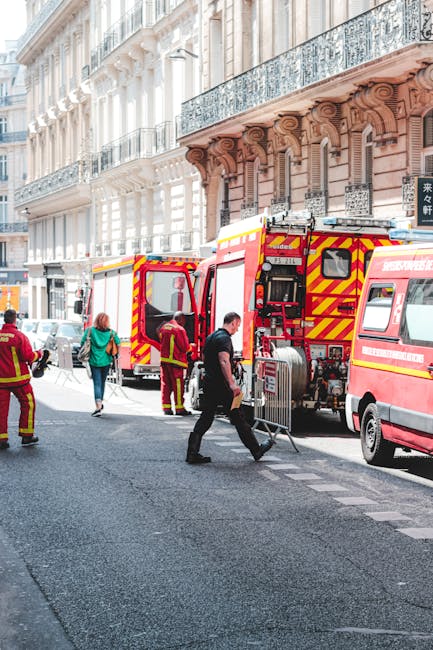
Same-day emergency moves in Marylebone: rapid response when time is not on your side
If you have ever had to move with almost no warning, you will know the feeling: the phone rings, the plan changes, and suddenly you need boxes, transport, and a calm pair of hands fast. Same-day emergency moves in Marylebone are built for exactly that kind of moment. Whether it is a landlord issue, a sudden change in living arrangements, a failed completion, or a short-notice office clearance, rapid response matters because delays quickly turn a stressful day into a messy one.
Marylebone brings its own quirks too. Narrow streets, controlled parking, busy loading areas, basement flats, concierge desks, and the usual London "we may be here in ten minutes, or maybe twenty-five" reality. A good emergency move is not just about speed; it is about making fast decisions without damaging belongings, slowing down neighbours, or creating avoidable problems. This guide explains how same-day emergency removals work, who they help, what to expect, and how to avoid the traps that catch people out at the worst possible time.
To make the next step easier, you can also review the company's background and approach, check pricing and quotes, and look at the practical details in the insurance and safety information before you book.
Table of Contents
- Why Same-day emergency moves in Marylebone: rapid response Matters
- How Same-day emergency moves in Marylebone: rapid response Works
- Key Benefits and Practical Advantages
- Who This Is For and When It Makes Sense
- Step-by-Step Guidance
- Expert Tips for Better Results
- Common Mistakes to Avoid
- Tools, Resources and Recommendations
- Law, Compliance, Standards, or Best Practice
- Options, Methods, or Comparison Table
- Case Study or Real-World Example
- Practical Checklist
- Conclusion
- Frequently Asked Questions
Why Same-day emergency moves in Marylebone: rapid response Matters
In an ideal world, every move would be planned days or weeks in advance. In real life, that is not always how things go. A boiler leak can make a flat uninhabitable. A landlord may request an immediate departure. A buyer might need to clear a property after a last-minute completion. Or, quite simply, life happens, and it happens on a Tuesday morning when your coffee is still hot.
The point of a rapid-response move is not merely to move things quickly; it is to reduce friction at the moment you can least handle it. In Marylebone, that matters because timing often collides with logistics. Streets can be busy, access can be tight, and a delay of even a short while can affect parking, lift access, building rules, or neighbours. A competent same-day removals team understands that urgency only helps when it is controlled.
It also matters for emotional reasons. Emergency moving is rarely just a practical task. There is usually pressure behind it. People are often tired, frustrated, worried, or a bit of all three. A reliable team can bring structure to a chaotic day, and that is worth more than people first assume. Truth be told, when everything is moving too fast, simple clarity can feel like luxury.
Key takeaway: same-day emergency moving is not just about speed. It is about fast, local, well-organised action that protects your belongings, your time, and your sanity.
How Same-day emergency moves in Marylebone: rapid response Works
A proper emergency move usually starts with a short conversation, not a long form. The operator needs to understand what must move, where it is going, whether access is straightforward, and how quickly the move needs to happen. If you are calling under pressure, do not worry about saying everything perfectly. Start with the essentials: property type, number of items, floors, lift access, parking situation, and any fragile or bulky items.
From there, the moving team usually works through a quick assessment. In many cases, the first job is deciding what can be done safely within the available time. A same-day move may involve a full house load, but more often it is a partial move, an urgent removal of essentials, or a staged transfer. The team may send a vehicle appropriate for the load rather than overcommitting with the wrong truck. That sounds basic, but it is exactly where rushed jobs go wrong.
In a Marylebone setting, rapid response often includes practical adjustments like timing the arrival to avoid the worst traffic, checking access points in advance, and planning whether items need to be carried a short distance from the property to the vehicle. If there is a basement, a narrow stairwell, or a loading bay with time restrictions, these details affect the move more than people expect. A one-line note from the client can save a lot of scrambling later.
The best teams also separate urgency from chaos. They will protect your furniture, use suitable lifting methods, and confirm any special handling before the van arrives. If they are worth their salt, they will not rush in a way that causes damage. Fast, yes. Sloppy, no.
What usually happens behind the scenes
- Initial call or enquiry to confirm urgency and scope
- Quick check of item volume, access, and timing
- Allocation of the nearest suitable team and vehicle
- Preparation of packing materials if needed
- Arrival, loading, transport, and unloading in a coordinated sequence
It is a bit like a small relay race, except the baton is your sofa and nobody wants it dropped.
Key Benefits and Practical Advantages
The clearest benefit is obvious: you get moving the same day. But the real value is a little broader than that. Emergency moving services are designed to preserve momentum when normal planning is no longer possible. That can stop one problem from becoming three.
One major advantage is reduced exposure to risk. If a property has become unsuitable, unstable, or simply unavailable, staying longer than necessary can complicate matters. A fast move reduces the amount of time you spend in limbo. Another practical benefit is flexibility. Same-day teams often adapt the plan around what actually needs to happen, rather than forcing you into a standard moving schedule that no longer fits.
There is also a psychological benefit that is easy to overlook. When you are dealing with urgent change, having a clear next step helps you think straight. Once the essentials are identified and the move is underway, the whole situation becomes more manageable. You may still be stressed, of course, but at least you are not staring at a hallway full of boxes wondering where to begin.
For local moves in Marylebone, speed often combines well with familiarity. Teams that understand central London conditions tend to anticipate parking difficulties, loading restrictions, concierge requirements, and building access issues more quickly. That local awareness can shave off wasted time, which is exactly what you want on a tight schedule.
| Benefit | Why it matters in an emergency | What to look for |
|---|---|---|
| Fast dispatch | Reduces the time spent waiting in a stressful situation | Clear availability and quick confirmation |
| Local route awareness | Helps avoid delays caused by traffic or access issues | Knowledge of Marylebone streets and loading constraints |
| Flexible loading | Allows priority items to move first | Ability to handle partial or staged removals |
| Protection of items | Speed should not mean damage | Proper wrapping, handling, and insurance |
Who This Is For and When It Makes Sense
Same-day emergency moves are not for every situation, and that is fine. They make the most sense when the cost of waiting is higher than the cost of acting now. That might mean you need to vacate a property quickly, protect belongings from a damaged space, or move essentials before a handover deadline. The key question is simple: do you need immediate action more than you need a perfectly planned move?
Typical situations include tenants with sudden notice, homeowners facing a completion shift, people dealing with emergency repairs, or businesses needing urgent clearances. In Marylebone, it can also suit people moving between short-let properties, serviced apartments, offices, or storage units when timing has become awkward. A quick, efficient response can turn a very rough day into something at least manageable.
It is also useful for people who do not have the physical support to organise everything themselves. Let's face it, one person trying to lift, pack, and arrange transport in a hurry is not a good plan. If you are already under pressure, a professional team can keep the process moving while you focus on the bigger decisions.
That said, same-day emergency removal is less suitable if your move is non-urgent and you want the lowest possible cost. A planned booking usually gives you more choice and often better scheduling flexibility. Urgency has a premium, and being realistic about that is part of making a smart decision.
Step-by-Step Guidance
If you need a rapid response, the best thing you can do is keep the process simple and orderly. You do not need a perfect packing system before you make contact. You just need enough information for the mover to act safely and quickly.
- List what must move first. Separate essentials from items that can follow later. Think documents, medication, valuables, charging cables, keys, and a few clothes.
- Check access details. Note floor level, lift availability, parking restrictions, building entry codes, and any loading limitations.
- Contact the mover immediately. Explain the urgency, the location, and what you need moved today. If possible, send photos of the items or access points.
- Confirm the priority plan. Ask what will be moved first, what packing is needed, and whether the team can supply materials or protective covers.
- Prepare a clear area. Put items to be moved in one space if you can do so safely. Keep walkways open. Small thing, big difference.
- Keep one bag of essentials with you. ID, keys, wallet, chargers, medication, and a change of clothes should not end up on the van by accident.
- Stay available during loading. A quick answer to a question about a box, cable, or key can save ten minutes of confusion.
- Check unloading details at the destination. Make sure someone can receive the goods, or arrange secure access if you cannot be there in person.
One useful habit: do not keep deciding what to keep once the van has arrived. That is how the day stretches out. Make decisions early, even imperfect ones. Perfection is not the job here. Progress is.
Expert Tips for Better Results
In our experience, the smoothest emergency moves are the ones where the customer gives the team enough clarity to make quick decisions. You do not need a long briefing. You need the right briefing. There is a difference.
First, prioritise items by function, not sentiment. If you can only move part of a property today, start with the things you cannot replace or live without. Family documents, work equipment, medication, and personal essentials often matter more than the decorative pieces everyone gets sentimental about later.
Second, be honest about the access. If the van cannot park right outside, say so. If there is a flight of stairs that narrows awkwardly near the turn, say so. If a concierge has a preferred delivery window, say so. These small facts may seem dull, but they decide how quickly the move gets done.
Third, use labels only where they help. In an emergency move, over-labelling every object can slow the process. A few clear notes such as "fragile," "documents," or "bedroom essentials" are usually enough. Not every box needs a label novel. Nobody has time for that.
Fourth, keep the destination ready. If you are going into storage, a new flat, or a temporary address, know where the items should be placed before unloading begins. Otherwise everyone ends up circling around the same hallway. Slightly ridiculous, very common.
Finally, ask about protection and insurance before the job starts. A responsible mover should be able to explain how items are handled and what cover is in place. That conversation should feel straightforward, not evasive.
Common Mistakes to Avoid
The biggest mistakes in same-day emergency moves are not dramatic. They are usually small, rushed decisions that snowball. And because the day is already stressful, the small things matter more than usual.
- Waiting too long to call. The earlier the team knows, the more likely it is that a suitable vehicle and crew can be arranged.
- Understating access problems. A tight stairwell or restricted parking can change the entire moving plan.
- Trying to pack everything perfectly. Do enough to keep things safe, but do not waste the whole day on a packing system that no longer fits the timeline.
- Forgetting the essentials bag. This is the classic. Keys, medication, documents, chargers, all of it. Keep them with you.
- Choosing speed over care. Fast is good. Broken furniture is not.
- Not confirming payment and terms. In urgent situations, it is easy to skip the boring bit. Don't. Confirm the basics clearly.
One more thing: do not assume the mover knows the property type just because it is in Marylebone. Local knowledge helps, yes, but every building is different. A basement flat on one street can be very different from a first-floor apartment two minutes away.
Tools, Resources and Recommendations
You do not need a van full of equipment to manage an emergency move, but a few simple tools help a lot. The right materials can save time, reduce damage, and keep the process calm. Calm is underrated. Very underrated.
Useful items to have ready
- Strong tape and scissors
- Sturdy bags or boxes for essentials
- Labels or marker pens for priority items
- Protective wraps for fragile objects
- Door or floor protection where needed
- Phone charger and power bank
- Keys, ID, and any access codes
If you need help understanding what a mover can handle, start with the company's health and safety policy and insurance and safety details. Those pages are useful because they tell you what kind of standards to expect before anyone is standing in your hallway with a roll of tape and a deadline.
For practical next steps, it is also worth checking the company's contact page if you need to speak to someone quickly, and the pricing and quotes page if you want to compare options before deciding. If the move creates any items for disposal or reuse, the recycling and sustainability information may also be relevant.
Law, Compliance, Standards, or Best Practice
Emergency moving is not a heavily regulated topic in the way some specialist services are, but there are still important standards and good-practice expectations that matter. A professional removals provider should handle property safely, respect access arrangements, communicate clearly about charges, and take reasonable steps to protect both items and people during the move.
For customers, the practical side of compliance usually comes down to three areas: clear terms, safe handling, and honest communication. If a quote is given, make sure you understand what it covers. If access is difficult, say so early. If there are fragile or high-value items, mention them. That is not over-sharing; it is how you avoid problems.
You should also expect transparent policies around payments, complaints, privacy, and terms. Those pages may not feel exciting when you are rushing to move, but they are part of a trustworthy service. You can review the company's payment and security information, terms and conditions, privacy policy, and complaints procedure if you want a clearer picture of how the service is structured.
Best practice also includes respectful working methods. Lifting properly, protecting floors where necessary, and checking building rules are all part of a decent service. It is not glamorous, but it is what separates a rushed removal from a responsible one.
Options, Methods, or Comparison Table
Not every urgent move needs the same approach. Sometimes you need a full-load same-day removal. Other times you just need essential items moved to another address or into storage. The right option depends on urgency, volume, access, and budget.
| Method | Best for | Advantages | Watch-outs |
|---|---|---|---|
| Full same-day emergency move | Complete property clearance or urgent full relocation | Everything is handled in one coordinated visit | May cost more and needs good access planning |
| Partial urgent move | Essential items, valuables, or priority furniture | Faster and often more flexible | Requires clear decisions about what stays behind |
| Emergency move to storage | Temporary relocation while plans change | Buys time and reduces pressure | Needs storage access and inventory planning |
| Staged move | When the destination is not fully ready yet | Helps bridge awkward timing gaps | Can require two transport runs or more coordination |
For a lot of people, the best choice is not the biggest one. It is the one that reduces pressure today and leaves room for the next step tomorrow. That is the honest answer.
Case Study or Real-World Example
Here is a realistic example. A tenant in Marylebone receives short notice that a flat must be vacated the same day because an urgent repair makes the property unsuitable overnight. The person has a few hours, limited packing materials, and no easy way to move heavier items alone.
The first step is to separate essentials from everything else. Documents, a laptop, medication, a few days of clothing, and small valuables are packed first. The mover is told about the stairs, the fact that the building entrance is busy in the afternoon, and that parking is restricted. That information changes the timing and the vehicle plan.
On arrival, the crew loads the priority items first, then larger furniture that can safely be handled within the remaining time. A couple of fragile boxes are wrapped on site, because that is quicker than pretending they were already ready. The customer later moves the rest in a second, planned visit after things are calmer.
The important bit? The day becomes manageable. Not perfect, not tidy, but manageable. The customer is no longer stuck trying to do everything at once. Sometimes that is the real win. It sounds simple, but under pressure, simple is exactly what you want.
Practical Checklist
Use this checklist when you need a same-day emergency move in Marylebone. It is intentionally short and practical, because nobody needs a novel when the clock is running.
- Confirm the address, floor level, and access route
- Note any parking or loading restrictions
- List priority items to move first
- Keep ID, keys, documents, and medication with you
- Separate fragile items and mark them clearly
- Tell the mover about stairs, lifts, or narrow halls
- Ask what packing help is available today
- Check payment method and quote details in advance
- Make sure the destination is ready to receive items
- Review insurance, safety, and terms before the crew starts
Expert summary: If you remember nothing else, remember this: the best emergency move is fast, but also clear, safe, and decisively prioritised. Speed without structure just makes a different kind of mess.
Conclusion
Same-day emergency moves in Marylebone are about more than getting from one place to another. They are about reducing disruption at a moment when your day has probably already gone sideways. A rapid response helps you regain control, protect your belongings, and make sensible decisions without getting trapped in the panic of the moment.
The most successful urgent moves tend to share the same traits: clear information, realistic expectations, good access planning, and a moving team that knows how to stay calm while things are moving quickly. If your situation is genuinely time-sensitive, do not wait for the perfect plan. Start with the essentials, ask the right questions, and let the process get underway.
Get a free quote today and see how much you can save.
If you want a service that is ready to respond quickly and handle the practical side with care, the next sensible step is simple: reach out early, explain the situation plainly, and let a local team take some weight off your shoulders. That small bit of support can make a long day feel a lot lighter.
Frequently Asked Questions
How fast can a same-day emergency move in Marylebone usually happen?
It depends on current availability, traffic, access, and how much needs moving. In urgent cases, the aim is often to respond as quickly as possible after you make contact, but exact timing can vary.
What information should I give first when booking a rapid-response move?
Start with the property address, the number of items, access details, any stairs or lift issues, parking restrictions, and whether you need a full move or just priority items.
Can you do a partial move on the same day?
Yes, and in many emergencies that is the best option. A partial move lets you prioritise essentials, valuables, or bulky items that need to leave immediately while leaving non-urgent belongings for later.
Is same-day moving more expensive than a planned booking?
Usually, yes, because urgency can require faster dispatch and more flexible scheduling. The exact cost depends on volume, distance, access, and what extra help you need.
What if my Marylebone property has very limited parking?
Say so early. Parking and loading access are often the difference between a smooth urgent move and a frustrating delay. The mover can then plan the vehicle arrival and loading strategy more effectively.
Do I need to pack everything before the movers arrive?
No. In an emergency, it is better to prioritise important items and keep things safe rather than trying to finish every box perfectly. A good crew can help with packing where needed.
Can emergency moves include fragile or valuable items?
Yes, but those items should be clearly identified and handled carefully. It is sensible to mention anything breakable, high-value, or awkward to carry before the team arrives.
What should I keep with me rather than put on the van?
Keep your keys, wallet, ID, phone charger, medication, important documents, and anything you may need immediately at the destination.
How do I know if a mover is trustworthy in a rush?
Look for clear communication, transparent terms, sensible questions about access, and straightforward explanations of pricing, safety, and insurance. If anything feels vague, pause and ask more questions.
Can same-day emergency removals help if I need to go into storage first?
Yes, moving essential items into storage is a common solution when plans are changing quickly. It gives you breathing space and can make the rest of the move easier to manage.
What happens if the destination is not fully ready yet?
A staged move may be the best answer. That means moving the most important items now and arranging the rest once access or accommodation is ready.
Where can I find service policies before I book?
You can review helpful pages such as the company's terms and conditions, privacy policy, and complaints procedure for a clearer picture of how the service is handled.